Parabon NanoLabs, Inc. (Parabon) is a vertically integrated DNA technology company that develops next-generation therapeutic and forensic products by leveraging the enormous power of DNA. Staffed by a uniquely qualified team of scientists and technologists whose expertise ranges from bioinformatics and immunology to chemistry and computer science. Our team is bringing to market revolutionary new products and services made possible by recent advances in DNA sequencing, analysis, and manufacturing technologies.
Organized in the State of Delaware, Parabon is a for-profit, C-Corporation with headquarters in Reston, Virginia and a nanotechnology laboratory in Huntington, WV. Although we work heavily on technologies for the medical industry, the company is most widely known for revolutionizing the field of DNA forensics with our Snapshot® Advanced DNA Analysis Platform. In 2017, Parabon received the Tibbetts Award, presented by the Small Business Administration (SBA), which honors small businesses that exhibit excellence in technology innovation. Winners are considered "the best of the best" from the thousands of firms that participate in the Federal SBIR program. The company was also named one of the "Top 5 Most Innovative Companies of 2018" by Inc. Magazine.
Parabon NanoLabs' Foundation
In 2005, Dr. Michael Norton, a pioneer in the field of DNA-based nanotechnology, and Dr. Steven Armentrout, CEO of Parabon Computation (PCI), began discussing the computational roadblocks then hindering progress in the field of DNA nanotechnology. Over the next few years, PCI developed the inSēquio™ Design Studio, an innovative software application that enables DNA researchers to design and optimize nanostructures made with DNA self-assembly. On 4 March 2008, PCI and Dr. Norton founded Parabon NanoLabs with the mission to create breakthrough products using DNA. The initial focus was to develop oncology therapeutics using DNA nanostructures. Other therapeutic applications soon followed, such as the development of synthetic vaccines using similar DNA technology. In recent years, the company has applied the bioinformatics infrastructure it developed for drug development to problems in the field for forensic DNA analysis and determining genetic predisposition to specific diseases.
Parabon NanoLabs' Management and Scientific Team

Steven Armentrout, Ph.D., Co-Founder and CEO, has nearly 30 years of experience designing scientific and machine learning software to solve complex problems ranging from stock selection to nanotechnology design optimization. He and his research teams are currently tackling challenging DNA-related problems in healthcare and biodefense, specifically, creation of a genetic test for lifetime risk of Alzheimer's disease, a DNA-based vaccine against HIV, and identification of microbial genetic variants that associate with pathogenic resistance. Dr. Armentrout holds a PhD in Computer Science from the University of Maryland, College Park.

Michael L. Norton, Ph.D., Co-Founder and Chief Science Officer, is also a Professor of Chemistry at Marshall University (MU). He first began working in the field of nanoscience in 1977, when he was a graduate student working with two-dimensional materials. He regularly participates in National Science Foundation, Department of Defense, and American Chemical Society Petroleum Research Fund proposal reviews. He earned a Ph.D. in Solid State Chemistry from Arizona State University and went on to pursue two years of post-graduate training in Optical and Electronic Materials at the Naval Weapons Center in China Lake, California.
Principal Investigators
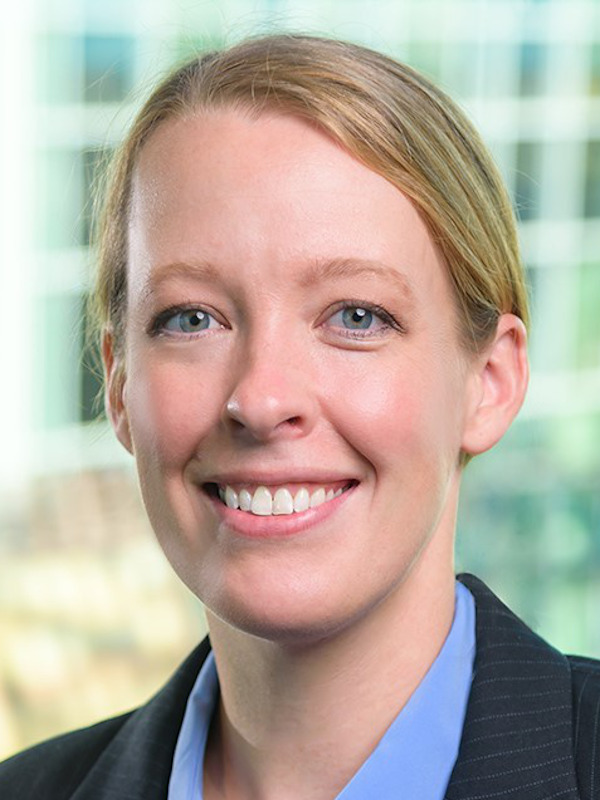
Ellen McRae Greytak, Ph.D., Director of Bioinformatics, leads the development of novel genomic analysis technologies for forensic and medical applications. She leads both the R&D and operational sides of the Snapshot division and directs Parabon's research teams for kinship analysis of degraded DNA; forensic analysis of next-generation sequencing data; metagenomic sequence analysis for pathogen identification and characterization; and genetic risk prediction for late-onset Alzheimer's Disease. Dr. Greytak received her Ph.D. in Organismic and Evolutionary Biology from Harvard University, after which she completed a postdoctoral fellowship in bioinformatics at the Institute for Genome Sciences at the University of Maryland School of Medicine before joining Parabon in 2012.

David Danley, Ph.D., Vice President of Vaccine Development, has 30 years of experience in medical and biotechnology research with special emphasis on the advanced development and FDA licensure of medical products. During his tenure with the DOD, Dr. Danley established comprehensive programs for translational field medical research. As Assistant Program Manager for the Joint Program Office for Biological Defense, he was one of the key architects for the DOD Joint Vaccine Acquisition Program (JVAP) and was responsible for the integration of medical chemical defense products and the formation of the Chemical Biological Medical Systems (now MCS).
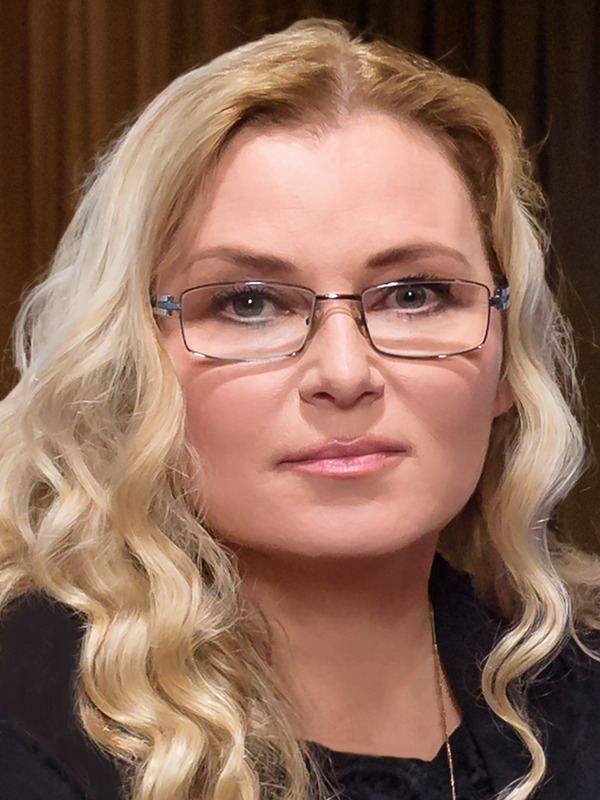
CeCe Moore, Chief Genetic Genealogist is an internationally recognized DNA investigative expert, educator and pioneer in the field of genetic genealogy. Starting in 2010, she began developing the now widely used genetic genealogy techniques that have become foundational and central aspects of the field. Since May 2018 she has led the Snapshot Investigative Genetic Genealogy Unit at Parabon. Under her direction, leads generated by the Parabon team have resulted over one positive identification per week on cases that have been cold, on average, for over 25 years. Her work has led to the first conviction, the first conviction through jury verdict, and the first exoneration in cases where the suspect was identified through investigative genetic genealogy. In 2019 she was named a Non-Resident Fellow at Harvard University's Du Bois Research Institute at the Hutchins Center.


